
✍️ Cross the Lines: Creative, Critical, and Connected Writing Across Curriculum
Empower your teaching. Transform student voice. Build a writing culture that connects content, creativity, and critical thinking.
🌟 Imagine This…
You walk into your classroom with confidence, knowing your students are thinking, reflecting, and expressing themselves through writing—no matter the subject.
You’re no longer guessing how to incorporate writing. Instead, you have a plan, the tools, and the strategies to make writing meaningful, manageable, and impactful.
By the end of this course, you’ll feel equipped to lead writing in your classroom—and even across your school.
🚀 What Transformation You’ll Undergo
By the end of this course, you’ll move from wondering how to incorporate writing into your subject to confidently leading writing with purpose, clarity, and equity.
-
You’ll go from scattered activities to a cohesive, school-ready WAC implementation plan tailored to your classroom or leadership role.
-
You’ll trade overwhelming writing demands for low-prep, flexible routines that fit seamlessly into any subject you teach.
-
You’ll feel prepared—not uncertain—about how to support multilingual learners, hesitant writers, and high-flyers alike.
-
You’ll have a toolkit packed with ready-to-use templates, rubrics, student models, and planning guides—so you can teach, reflect, and refine with confidence.
-
And instead of leaving with theory, you’ll walk away with a practical capstone project that puts your learning into action—starting the very next week.
🗓️ Course Overview
Timeline: 7 Weeks
-
🧠 Focus: Why writing belongs in every subject
-
Understand the cognitive, academic, and equity-based benefits of writing.
-
Reflect on current practices and identify opportunities for meaningful writing integration.
-
Explore culturally responsive writing prompts and SEL connections.
📥 Activities: Reflection prompts, journal entry, and a Writing Benefits Checklist.
-
-
🧱 Focus: Making writing doable for all teachers
-
Identify common challenges (time, confidence, grading).
-
Learn low-prep routines, sentence starters, and graphic organizers.
-
Explore principles of high-impact writing instruction across disciplines.
📥 Activities: Strategy checklist, self-evaluation prompts, and downloadable scaffolds.
-
-
🔬 Focus: Writing in Science, Math, and Social Studies
-
Apply CER (Claim, Evidence, Reasoning) in science writing.
-
Promote math reasoning and journaling to deepen understanding.
-
Use DBQs and prompts for evidence-based argument writing in history.
📥 Activities: Discipline-specific examples, sentence frames, and reflection logs.
-
-
🎨 Focus: Writing in Arts, Music, PE, STEM, and CTE
-
Guide expressive, reflective, and technical writing.
-
Use artist statements, goal journals, and technical logs.
-
Support creativity, identity, and career readiness.
📥 Activities: Journaling templates, practice critiques, and visual writing prompts.
-
-
💻 Focus: Leveraging digital tools to transform writing
-
Integrate collaborative platforms like Google Docs and Padlet.
-
Explore how to scaffold with AI tools like ChatGPT.
-
Gamify writing with challenges, badges, and levels.
📥 Activities: AI prompt guide, editable group templates, gamification deck.
-
-
📝 Focus: Supporting growth through assessment
-
Use formative, summative, and peer/self-assessment effectively.
-
Provide meaningful feedback that fuels revision.
-
Explore subject-specific rubrics and reflection tools.
📥 Activities: Downloadable rubrics, peer review protocol, teacher feedback guide.
-
-
🏫 Focus: From classroom to culture shift
-
Build a school-ready WAC Implementation Plan.
-
Explore ways to support teachers through PD and micro-credentials.
-
Finalize your capstone project with rollout steps and success indicators.
📥 Deliverables: Capstone planner, implementation map, and sample walkthrough tools.
-
-
✅ Bonus Option: Participants who submit a final capstone can request a Certificate of Completion
🎓 Who This Is For
This course is designed with real educators and real classrooms in mind. If you want to elevate writing while respecting time and context, this is for you.
-
✅ K–12 teachers across all subjects looking to make writing purposeful without losing instructional time
-
✅ Instructional coaches & curriculum leads supporting teachers across content areas
-
✅ School and district leaders aiming to build sustainable, equity-centered writing initiatives
📥 What’s Included
Every module is packed with tools, templates, and takeaways you can implement immediately. You’ll receive:
-
✏️ 5 focused modules + a practical Capstone Project to bring it all together
-
📎 Downloadable resources including slide decks, graphic organizers, checklists, rubrics, and student examples
-
🎖️ Optional certificate of completion to recognize your learning and leadership
🎯 Ready to Get Started?
Join the movement. Shift from isolated writing assignments to a culture of daily, purposeful writing.
Enroll now and start building equity—one sentence at a time.
Testimonials




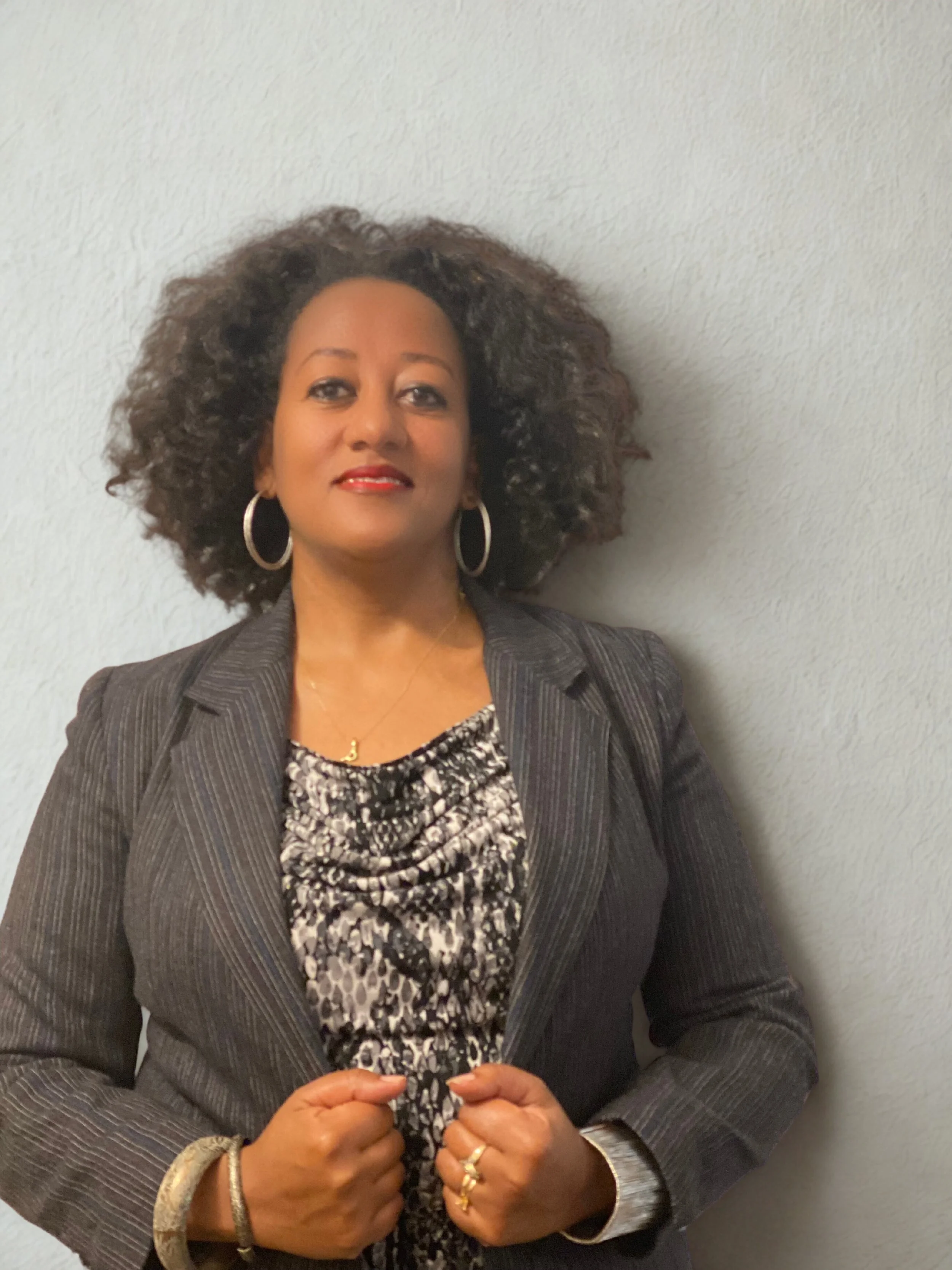
🌐 Meet the Expert: Mentolawit Shiferaw Taye
Mentolawit Shiferaw Taye is an experienced instructional designer, curriculum specialist, and educator with over 15 years of international and local experience. Her expertise lies in designing culturally responsive, SEL-infused curricula and guiding schools in building inclusive, standards-aligned learning environments.
In this course, she brings a practical, supportive approach to Writing Across the Curriculum—helping educators not only integrate writing into their subject areas but also use it as a tool for deeper thinking, equity, and student voice. Her guidance is grounded in real classroom experience and a deep commitment to making meaningful instructional change accessible for all teachers.
Message from the expert
Welcome to the course, “Writing Across the Curriculum: Strategies for K–12 Educators.” I’m so glad you’re here.
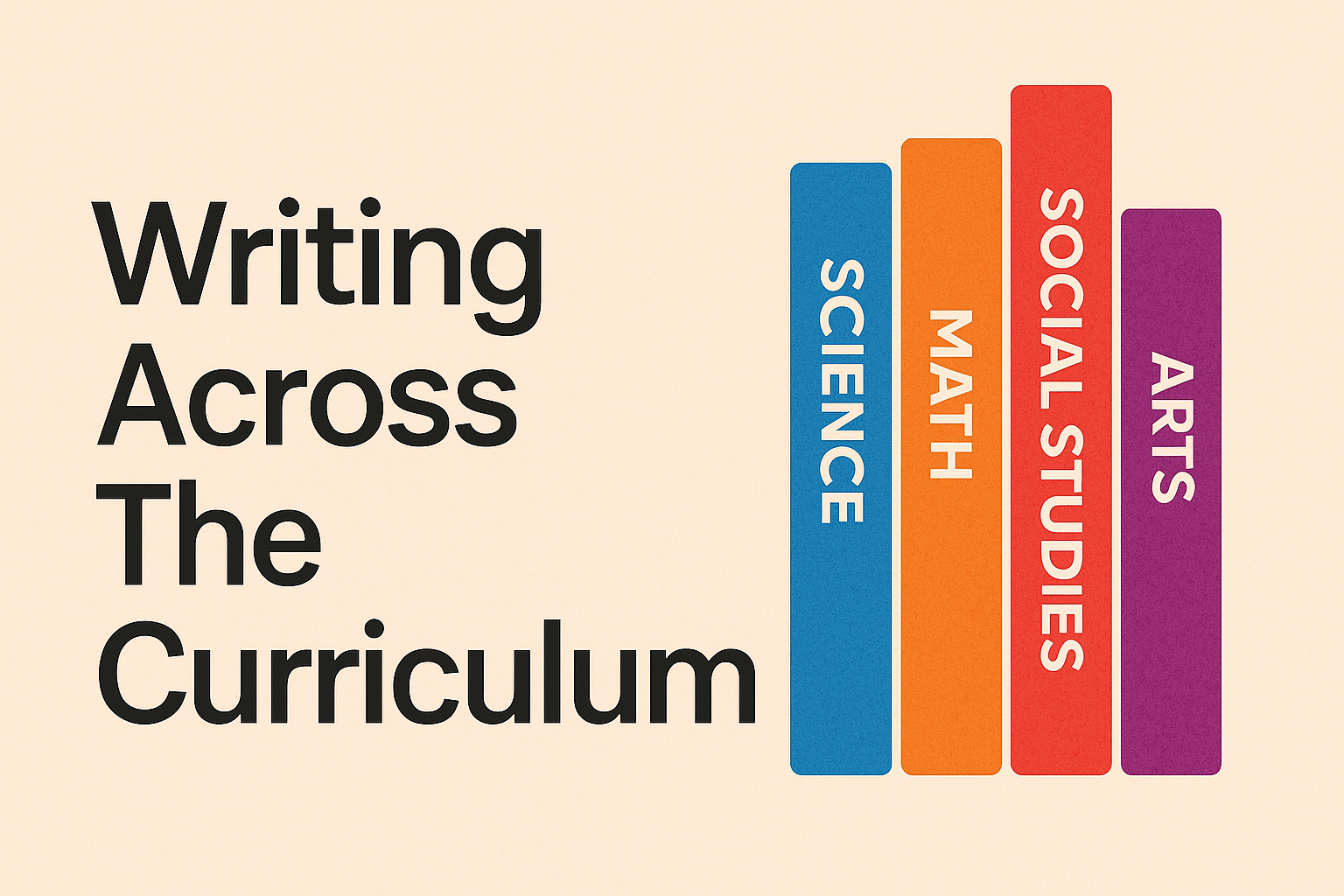
This course was designed with you—the classroom teacher—in mind, whether you teach Math, Science, Social Studies, the Arts, or any subject in between. If you’ve ever wondered how to meaningfully integrate writing into your lessons, support students with writing skill gaps, or make writing more relevant and engaging for diverse learners—this course is for you.
Writing isn’t just for English class. It’s a tool for thinking, for reflection, and for making connections across disciplines. In this course, you’ll explore practical strategies to use writing as a vehicle for deeper learning—no matter what subject or grade you teach.
We’ll cover everything from why writing matters, to overcoming common challenges like limited time or student resistance, to designing writing tasks that are inclusive, flexible, and tied to your content goals. You’ll also gain downloadable tools, real classroom examples, and a capstone project to help you build a personalized implementation plan.
Whether you’re a seasoned educator or new to writing integration, you’ll find strategies here that are adaptable, student-centered, and ready to use right away.
So let’s get started—because when writing becomes a shared schoolwide practice, all students grow, and all voices are heard.
Welcome again—I’m excited to learn and grow with you.